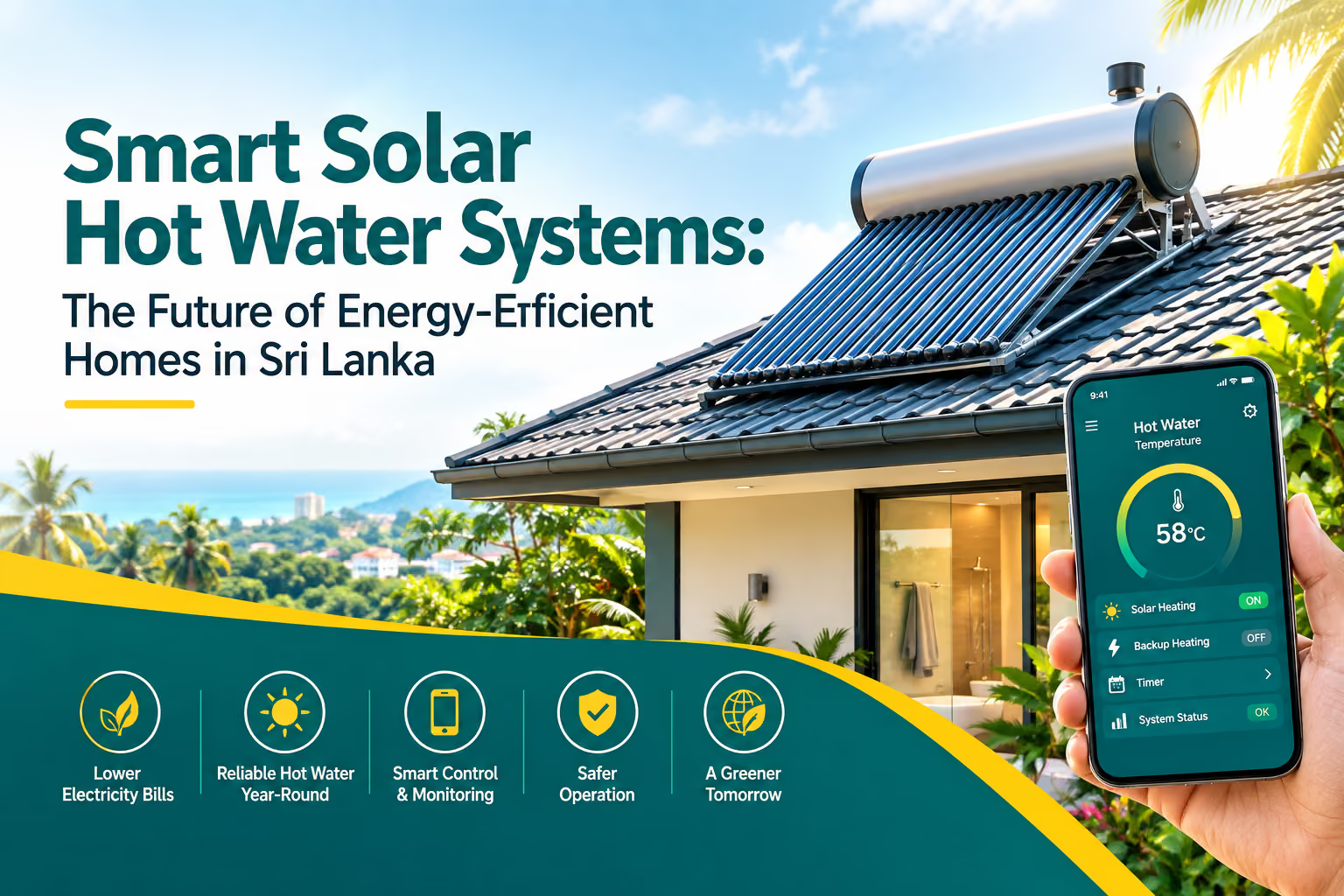
Rising electricity costs have pushed many Sri Lankan families to look for smarter ways to manage energy at home. Water heating is one of the biggest contributors to household power bills, especially with electric geysers. Solar water heaters have already helped thousands of homes save money, and the next step is here: the smart solar hot water system. In this guide, St Anthony's Service explains what these systems are, how they work, their benefits, and how to choose the right one for your home.
A smart solar hot water system is a solar water heater fitted with a digital controller, temperature sensors, and often Wi-Fi or app connectivity. It heats water using sunlight, automatically switches on electric backup only when needed, lets you monitor and control temperature from your phone, and alerts you to faults. The result is lower electricity bills, consistent hot water, and less energy waste.
A smart system follows the same basic principle as a conventional solar water heater, with intelligent controls added:
Traditional systems with manual backup switches often waste power because the heater is left on for hours. A smart controller uses the backup element only when solar heat is not enough, which reduces unnecessary electricity use.
Smart timers let you schedule backup heating just before busy periods, such as early morning showers or evening use. Your family gets hot water on demand without heating the tank all day.
With app-enabled models, you can check tank temperature, switch backup heating on or off, and adjust settings from anywhere. This is useful for busy families, holiday homes, and rental properties.
Smart controllers can display error codes or send alerts for issues such as sensor failures, overheating, or unusual temperature drops. Catching problems early helps prevent costly repairs.
Sri Lanka's monsoon periods can reduce solar heating for days at a time. Smart systems automatically balance solar and electric heating, so hot water remains reliable year-round.
Built-in temperature limits and monitoring help reduce the risk of overheating and scalding, giving added peace of mind for homes with children or elderly family members.
By making the most of free solar energy and reducing reliance on grid electricity, a smart system lowers your household's carbon footprint.
Energy-efficient, modern home features are attractive to buyers and tenants, making a smart solar water heater a valuable long-term upgrade.
Feature
Conventional System
Smart System
Backup heating
Manual switch
Automatic, as needed
Temperature display
Often none
Digital or app-based
Scheduling
Not available
Programmable timers
Fault alerts
Not available
Error codes or notifications
Remote control
Not available
Available on connected models
Energy efficiency
Good
Higher
Follow these steps to find the best system for your home:
A professional installation typically includes these steps:
Professional solar hot water systems installation ensures safety, efficiency, and long-term savings.
Keep your system running efficiently by scheduling a professional service at least once a year, keeping collectors clean and free from shade, checking the controller for error messages, keeping your Wi-Fi connection and app updated, flushing the tank to remove scale buildup, and testing safety valves during servicing.
The cost depends on tank capacity, collector type, brand, smart features, and installation requirements such as roof type and plumbing. A site inspection provides the most accurate quotation.
In many cases, yes. Depending on your system's model and condition, a technician may be able to add a digital controller, sensors, or a smart timer to the existing setup.
Basic smart functions like automatic backup control and digital temperature display work without Wi-Fi. Internet access is only needed for app-based remote monitoring and notifications.
Solar heating of the water continues during daylight even without electricity. However, the digital controller, app features, and electric backup need power to operate.
Savings depend on household usage, sunlight, and the system you replace. Homes switching from electric geysers usually see the biggest reduction in water heating costs.
What makes a solar hot water system "smart"? Features such as digital controllers, temperature sensors, automatic backup heating, programmable timers, fault alerts, and app connectivity.
Is a smart solar hot water system suitable for Sri Lankan homes? Yes. Sri Lanka's strong year-round sunshine makes solar heating highly effective, while smart backup control keeps hot water reliable during monsoon seasons.
How long does installation take? Most residential installations are completed within one day, depending on roof type, system size, and plumbing requirements.
How long does a smart solar water heater last? With professional installation and regular servicing, a quality system can provide reliable hot water for many years.
Can businesses use smart solar hot water systems? Yes. Hotels, guesthouses, restaurants, hospitals, and offices can all benefit from lower energy costs and better hot water management.
Trusted since 1942, St Anthony's Service is a leading solar hot water service provider in Sri Lanka. Our certified technicians handle complete installation, repair, and maintenance while following manufacturer and industry standards. We offer fast response times, flexible scheduling, transparent pricing with no hidden charges, and honest advice to help you choose the right system for your home or business.
A smart solar hot water system is more than a water heater. It is a long-term investment in comfort, savings, and sustainable living. Contact St Anthony's Service today to book a site assessment and find the right energy-efficient hot water solution for your home.